
Work Burnout Recovery in Brighton and Hove
Work Burnout Recovery For Adults Under Prolonged Stress
Many of my clients describe their experience in metaphor.
Suits of armour. Checking in their personality at the office door. Facing into the battle. Exhaustion.
They’ve been good at maintaining high standards, but somewhere along the way, there were sacrifices. Often, it was energy, physical and mental health, or the loss of enjoyment in their lives.
If you’re experiencing work burnout, you’ve likely been running at capacity for longer than you can sustainably manage. The goal isn’t just to reduce stress. It’s to rebuild recovery capacity, so your energy, mental clarity, and performance become reliable again.
This page explains what burnout looks like, what actually helps, and the best first step if you want to start rebuilding recovery capacity.
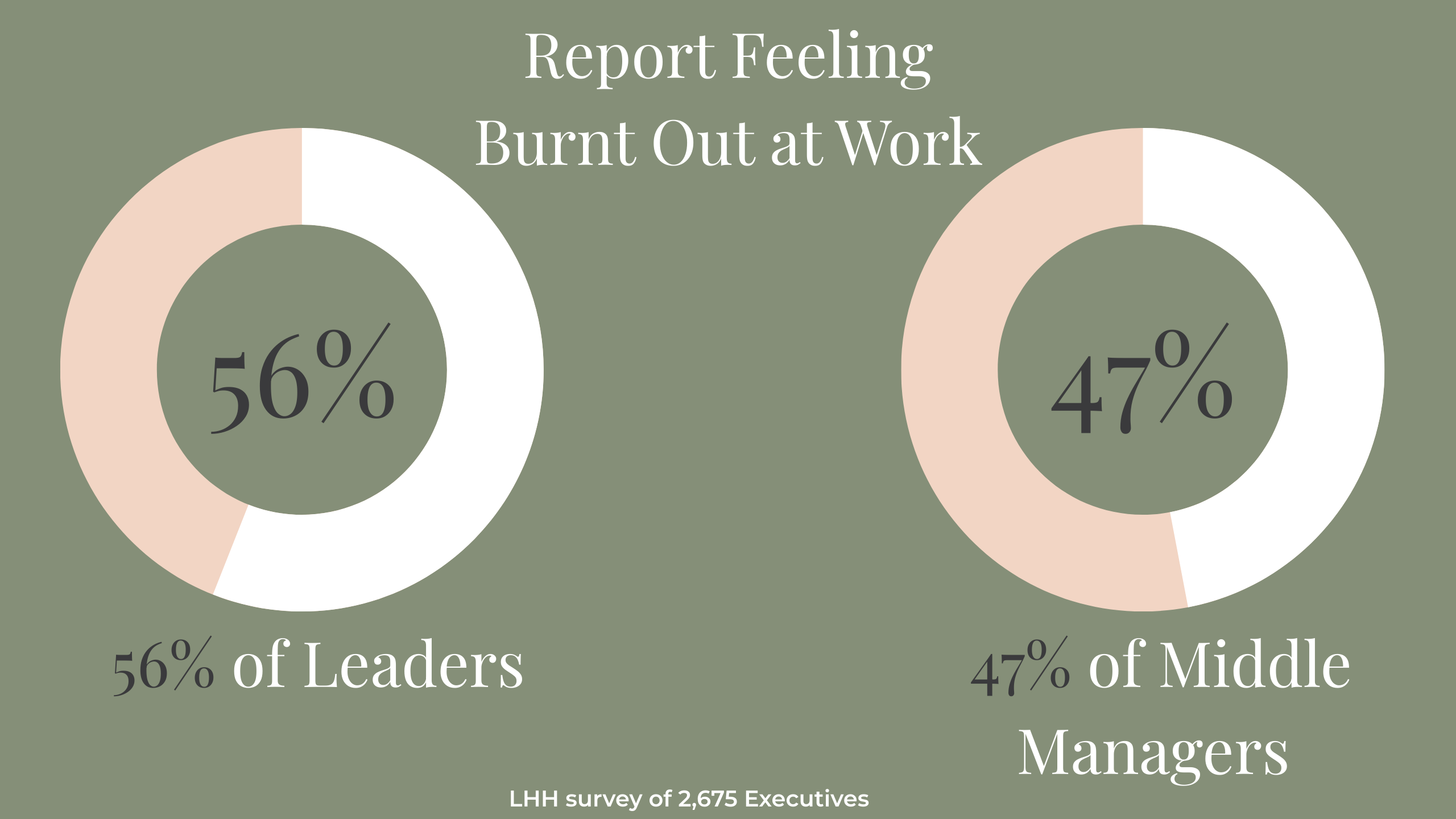
What is work burnout?
Work burnout is what happens when ongoing demand consistently exceeds your ability to recover from stress.
Over time, this changes:
-
how you think, how you sleep and restore,
-
stress tolerance and how much it costs to keep going
-
enjoyment, engagement and meaning
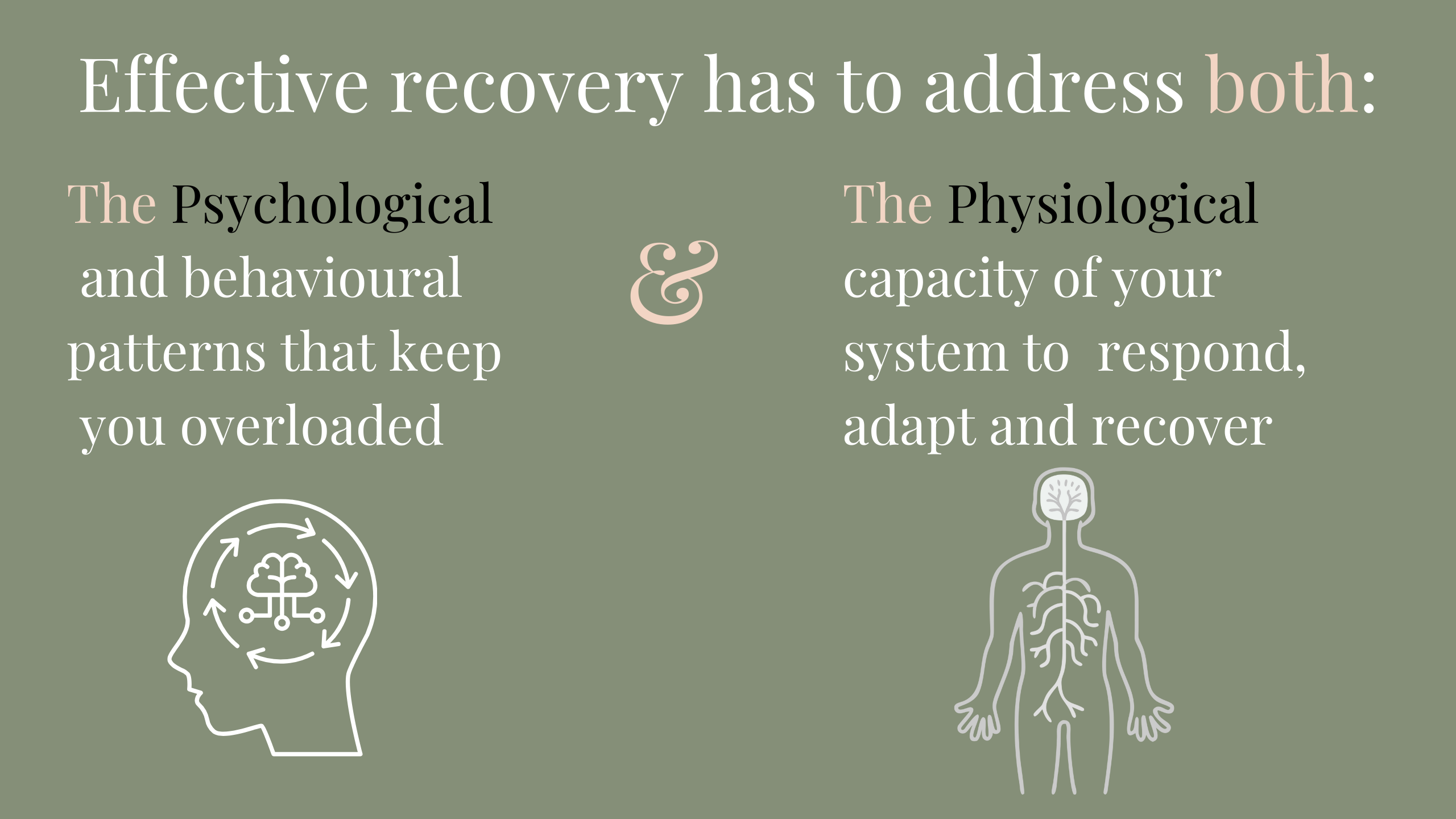
Burnout is both psychological and physiological, so recovery needs to be integrated.
Signs you may be dealing with burnout
Work burnout doesn’t always look dramatic. Often, it’s a gradual narrowing of capacity until your usual coping strategies stop working.
You may recognise yourself in some of these:
-
You can’t switch off after work, even when you’re exhausted
-
Sleep feels lighter, broken, or unrefreshing
-
Your patience is thinner; irritability or reactivity shows up more easily
-
Brain fog, reduced focus, or slower decision-making
-
Energy crashes, fatigue or a sense of “getting through the day”
-
Work feels heavier than it used to, even when the workload hasn’t changed
-
You feel wired, anxious and pressured internally, while appearing “fine” externally
-
Recovery takes longer—weekends don’t reset you in the way they once did
If this is familiar, it is often that your stress–recovery system has been overdrawn for too long.
Can work burnout affect your health?
Yes, prolonged stress can affect multiple bodily systems as well as your mind and emotions and your ability to restore. If you have symptoms that concern you, you should always speak to your GP to rule out medical causes.
In my work, the focus is on supporting the stress-response system and rebuilding recovery capacity in order to reduce the strain of prolonged demand.
What Can Help
Recovery starts with two practical shifts:
1) Reduce load where you realistically can
Not “quit your job” (unless that’s truly necessary), but identify:
-
what is non-negotiable vs self-imposed
-
where you are carrying responsibility that could be shared
-
the hidden pressures you place on yourself
2) Restore recovery capacity (not just rest)
Many high performers rest, but they don’t truly recover. Recovery means your system can:
-
downshift reliably
-
return to baseline after stress
-
produce energy more consistently
-
tolerate pressure without tipping into reactivity or collapse
This is where integrated work helps because we are not relying on psychological insight alone.
Why Recovery Needs to be Integrated
Burnout is both psychological and physiological, and affects our habits, stress physiology, sleep, energy regulation and how we respond to on-going demand. The aim is to address patterns that sustain overload while helping your body and brain achieve a steadier, more regulated baseline.
That’s why BodyMindBrain offers support in all these areas.
The first step usually involves a deep dive assessment for overarching clarity and a plan, with the option to progress onto our specialised physiological and recovery approaches.
A Good First Step
If burnout has been building for a while, the best place to start is usually with a structured assessment that helps clarify what is driving the pattern and what needs to change first.