
Work Burnout Recovery in Brighton and Hove
Work Burnout Recovery For Adults Under Prolonged Stress
Many of my clients describe their experience in metaphor.
Suits of armour. Checking in their personality at the office door. Facing into the battle. Exhaustion.
They’ve been good at maintaining high standards, but somewhere along the way, there were sacrifices. Often, it was energy, physical and mental health, or the loss of enjoyment in their lives.
If you’re experiencing work burnout, you’ve likely been running at capacity for longer than you can sustainably manage. The goal isn’t just to reduce stress. It’s to rebuild recovery capacity, so your energy, mental clarity, and performance become reliable again.
This page explains what work burnout looks like, what helps alleviate it, and how to start working with me in Brighton & Hove.
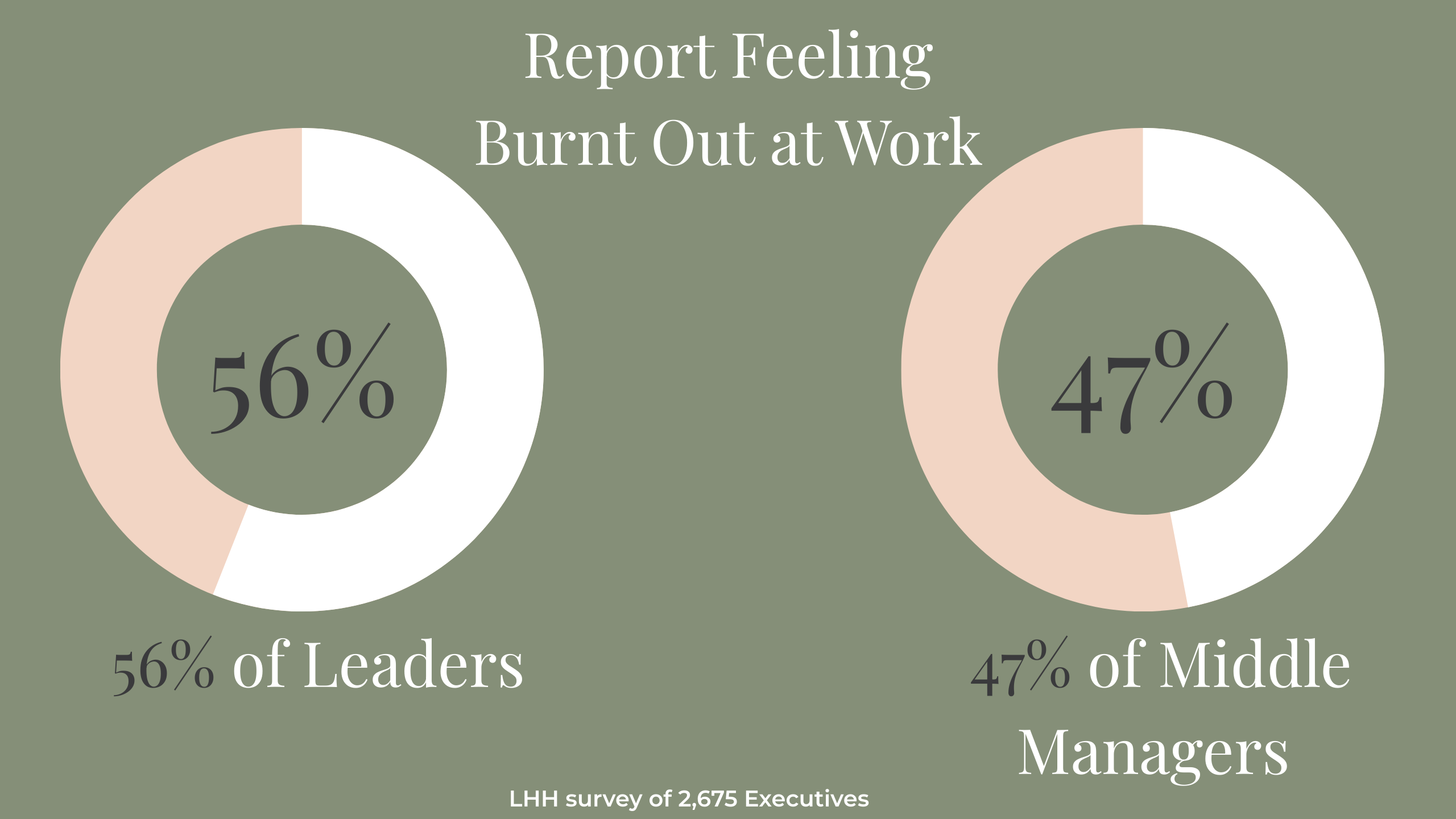
What is work burnout?
Work burnout is what happens when ongoing demand consistently exceeds your ability to recover from stress.
Over time, this changes:
-
how you think and appraise situations
- the meaning and purpose you derive from your work
-
how your nervous system responds under pressure
-
how well you sleep and restore energy
- your enjoyment in life
-
how reliably you can perform without it costing you increasing amounts
Burnout is both psychological and physiological, so recovery needs to be integrated.
Signs of burnout at work
Work burnout doesn’t always look dramatic. Often, it’s a gradual narrowing of capacity until your usual coping strategies stop working.
You may recognise yourself in some of these:
-
You can’t switch off after work, even when you’re exhausted
-
Sleep feels lighter, broken, or unrefreshing
-
Your patience is thinner; irritability or reactivity shows up more easily
-
Brain fog, reduced focus, or slower decision-making
-
Energy crashes, fatigue or a sense of “getting through the day”
-
Work feels heavier than it used to, even when the workload hasn’t changed
-
You feel wired, anxious and pressured internally, while appearing “fine” externally
-
Recovery takes longer—weekends don’t reset you in the way they once did
If this is familiar, the issue is rarely a lack of insight or motivation. It is often that your stress–recovery system has been overdrawn for too long.
What does work burnout feel like?
People often describe:
-
being unable to switch off
-
diminishing capacity to keep up in all areas of life
-
a loss of emotional or mental bandwidth
-
reduced enjoyment, even when life is objectively good
-
effort becoming more costly, mentally and physically
-
a growing sense that something has to change, but not knowing what
This is why most advice (“rest more,” “take a holiday,” “do mindfulness”) often doesn’t touch the deeper pattern. Recovery is not just about stopping. It’s about helping your body relearn safety, restore capacity, and become more adaptable again.
Can work burnout make you sick?
Prolonged stress can affect sleep, mood, digestion, immunity, pain, blood pressure, and energy regulation. If you have symptoms that concern you, you should always speak to your GP to rule out medical causes.
In my work, the focus is on supporting the stress-response system and rebuilding recovery capacity, so your body is no longer stuck in a prolonged “high demand” state, and so that psychologically, you can feel steady and back to yourself.
How to deal with burnout at work
Recovery starts with two practical shifts:
1) Reduce load where you realistically can
Not “quit your job” (unless that’s truly necessary), but identify:
-
what is non-negotiable vs self-imposed
-
where you are carrying responsibility that could be shared
-
the hidden pressures you place on yourself
2) Restore recovery capacity (not just rest)
Many high performers rest, but they don’t truly recover. Recovery means your system can:
-
downshift reliably
-
return to baseline after stress
-
produce energy more consistently
-
tolerate pressure without tipping into reactivity or collapse
This is where integrated work helps because we are not relying on psychological insight alone.
How BodyMindBrain Helps you Recover From Burnout
Burnout is both psychological and physiological, so recovery must be integrated.
It lives in:
-
The stories you tell yourself
-
The habits and roles you’ve learned to occupy
-
The way your brain regulates your stress response and allocates attention
-
The way your nervous system, mitochondria, and muscles manage energy in response to stress and recovery
That’s why BodyMindBrain offers support in all these areas.
-
Understanding the patterns and behaviours that unintentionally feed into and maintain burnout.
-
Supporting the body and brain to return to stasis and out of a prolonged stress response.
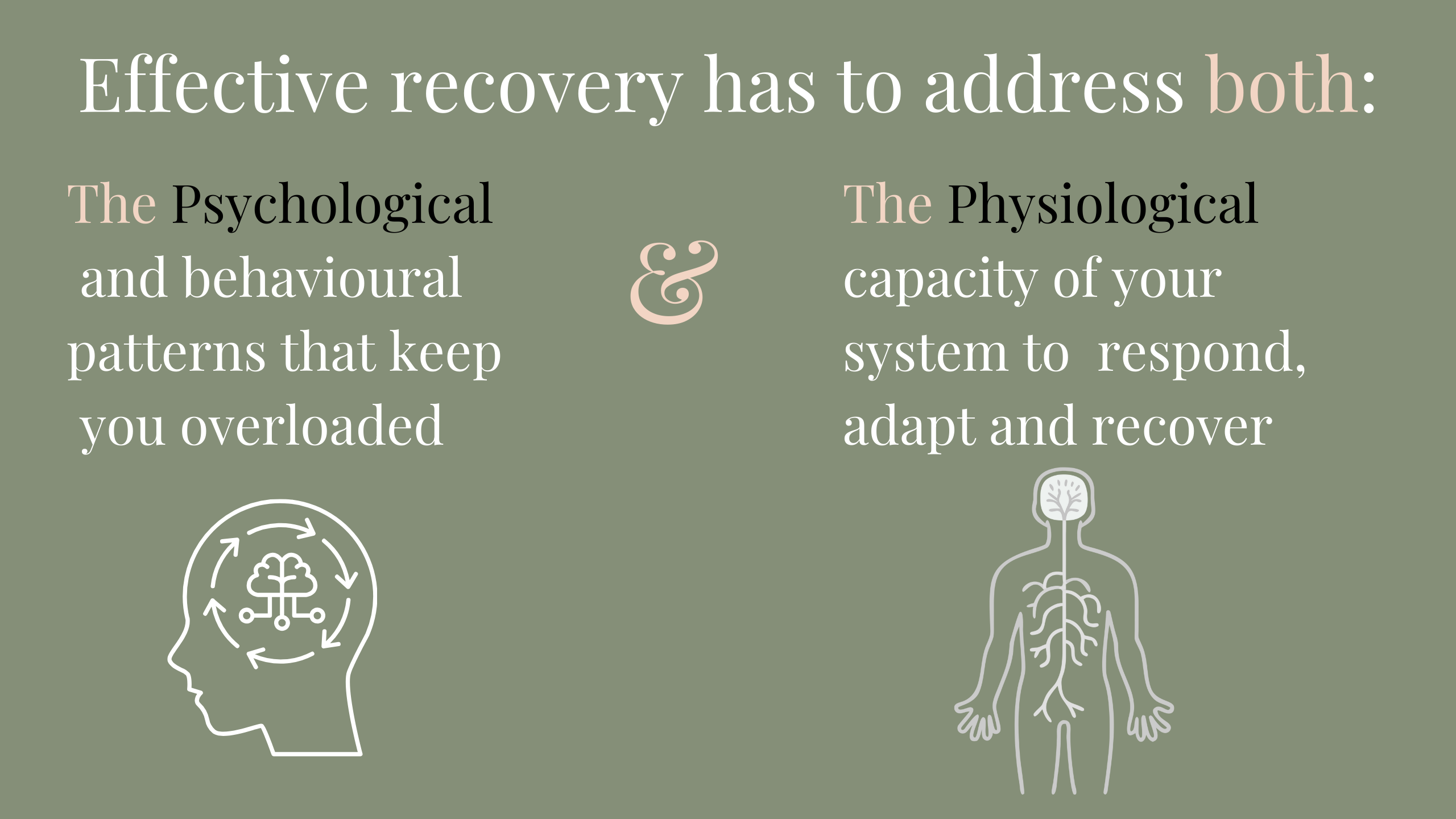
Psychological Support: Understanding Patterns and Reducing Overload
In Stress and Recovery Psychology, we’ll work on:
-
Making your patterns visible
- Becoming clear on your early stress signals before they build
-
Reworking beliefs and habits that quietly drive burnout
-
Designing realistic structures that reduce load, share responsibility
-
Prioritising recovery habits that counterbalance stress levels
- Finding ways to increase sense of agency
This process supports your ambitions while learning to hold them in a way your nervous system can sustain.
Physiological: Regulation, Energy and Capacity
Psychological insight lands more deeply when the body and brain are supported to recover and handle demand more efficiently.
At BodyMindBrain, we combine psychological work with targeted physiological training to help your body bounce back from prolonged stress. The technologies we may offer include:
-
Neuroregulation
We use Neurofeedback to train your brain and nervous system to regulate the stress response more effectively. Over time, this can support:-
Better sleep and recovery
-
Reduced reactivity and anxiety
-
Improved focus and clarity
-
-
Energy systems and metabolic flexibility
We use IHHT (intermittent hypoxic–hyperoxic training) and targeted breathing work to:-
Improve how your cells use oxygen
-
Enhance resilience to physiological stress
-
Support a more adaptable stress–recovery cycle
-
-
Strength, posture, and movement
We use Whole-body EMS, strength building and cardiovascular training:-
Build strength, increase metabolism and energy
-
Support posture and breathing mechanics
-
Give your nervous system new, safer movement options rather than default tension and bracing
-
Together, these approaches help your system perform and recover differently, not just think differently.
Burnout recovery treatment: why integrated work matters
Understanding why you feel the way you do is important. But insight alone rarely changes physiology that has been running on high alert for prolonged periods.
The BodyMindBrain difference is a clear, integrated process where:
-
you build a full picture of how you got here and how to get back to being yourself
-
psychological patterns and physiological states are addressed together
-
there is a structured process to create change
-
a track record of helping people like you
This is why I do not offer one-off “quick fixes” for burnout. This work requires repetition and consistency.
Not sure where to start?
I offer a small number of first-step options: mind, behaviour and lifestyle-led, physiology/tech-led, and programme/home routes, to help you build resilience and capacity for life’s demands.